

Via East Midland’s offer a comprehensive range of ecological services to support your development at each project stage, from design to planning submission, and planning condition discharges, through to construction and operation.
Through many years of combined multi-disciplinary experience in the development sector, Via’s expert in-house ecology team provide workable and balanced solutions for ecology and development.
Whilst we are passionate ecologists, we are also pragmatic, client-led and commercially focused. We believe the best way to resolve ecological constraints efficiently and achieve better outcomes for the environment is through mutual cooperation and understanding.
Simply complete the contact enquiry form below, to discuss your specific requirements with our friendly and knowledgeable team.
Our Ecological Services:
Via East Midland’s offer the following ecology surveys and assessment services to support a wide range of development types:
Preliminary Ecological Assessments (PEAs)
PEAs comprise a preliminary ‘walkover’ of the development site to scope initial constraints and opportunities from protected species and habitats, as well as identify requirements for further survey work.
We advise that PEAs are undertaken as early as possible in the evolution of your development project, as most ecological survey work is seasonally restricted. Via’s ecology team can translate ecological site constraints into a workable package of survey and assessment solutions, to pro-actively inform the technical design and planning of development projects and avoid costly delays.
Ecological Impact Assessments (EcIAs)
EcIAs are detailed ecological reports for planning submission and are typically supported by a suite of habitat and protected species surveys, as well as a range of mitigation and compensation solutions.
Through the provision of expert technical advice and robust reporting outputs, Via’s ecology team can resolve complex ecological constraints and maximise ecological opportunities across a range of development types.
Extended Phase 1 Habitat/UK Habitat Surveys

Extended Phase 1 Habitat and UK Habitats are nationally recognised systems of surveying, classifying and valuing habitats, and are fundamental elements of PEAs, EcIAs and Metrics used for Biodiversity Net Gain.
Via’s ecology team have extensive experience of undertaking and interpreting habitat surveys across a range of landscapes and development types.
Photographer James Faulconbridge
Protected Species Surveys
As protected species are a ‘material planning consideration’, detailed species surveys are often integral components of ecological reporting. Via’s ecology team can steer your development project through the minefield of protected species legislation and policy through the provision of clear and pragmatic technical advice.
Via offer a range of protected species surveys, including:
- Bat Surveys
- Preliminary roost surveys Emergence/re-entry surveys Transect and automated (static) surveys
- Tree roost inspections
- eDNA analysis
- Breeding and wintering bird surveys
- Great crested newt surveys
- Habitat Suitability Index assessments Pond surveys
- eDNA analysis
- Otter surveys
- Reptile surveys
- Water vole surveys


Biodiversity Net Gain
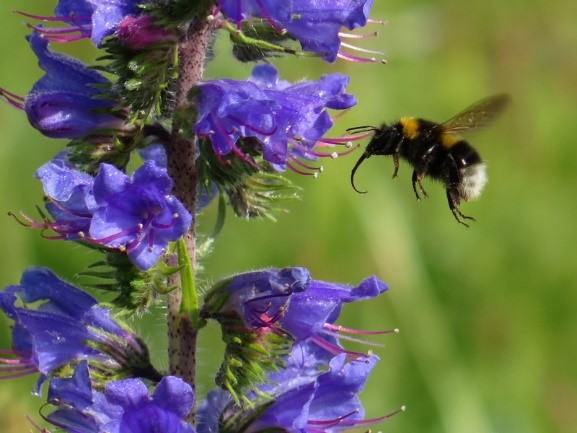
Biodiversity Net Gain (BNG) is a requirement of the Environment Act and will from January 2024 require most developments in England to secure a measurable uplift in biodiversity post-development, measured through a bespoke biodiversity calculator or ‘Metric’.
BNG is a complex planning requirement, particularly where biodiversity uplifts cannot be delivered on-site and therefore off-site solutions must be sought. Via’s ecology team have gained extensive experience of the BNG process, within both the private consultancy and public policy sectors.
Through close disciplinary working between our in-house ecology and landscape architecture teams, Via can offer robust solutions to BNG requirements for your development project through the provision of Biodiversity Gain Plans and associated services.
Photographer James Faulconbridge
Habitat Creation and Enhancement
Via’s ecology team works alongside other in-house Via technical specialists such as landscape architects, ground contamination and design engineers to provide full habitat creation and enhancement services for your development project, from conception to detailed design, through to contractor procurement and management.
Great Crested Newt District Level Licencing (DLL)
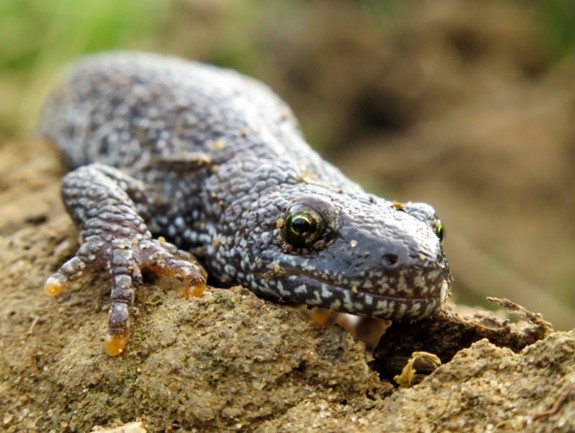
District Level Licencing is a relatively new process which operates in selected areas of England and offers developers pragmatic solutions on land where great crested newts are present. DLL avoids the need for surveys and mitigation requirements (such as moving newts to safety). To join a DLL scheme, developers must pay financial contributions which are used to fund conservation work in local great crested newt strongholds.
Via’s ecology team can provide pragmatic advice on whether joining a DLL scheme would be appropriate for your development project and can manage the DLL process from initial enquiry to full completion on your behalf.
Photographer James Faulconbridge
Protected Species Management – Mitigation Licences and Watching Briefs
Mitigation licences are typically required where development works will have impacts on populations of protected species which would otherwise be illegal. Mitigation licences are assessed and approved by Natural England (the Government’s nature conservation advisor) and must be in place prior to development commencing.
Via can offer mitigation licencing for bats, great crested newts and badgers and will manage the full licencing process from data gathering and licence application, through to post-development monitoring and management on your behalf.
Via also offer a range of protected species watching brief services prior to and during construction, such as nesting bird surveys, building demolition (roosting bats) and general site clearances.
Discharge of Ecology Conditions
Via’s ecology team can provide a range of ecological reporting outputs to discharge planning conditions, such as: Construction Ecological Management Plans (CEMPs or CEMP-Bs), Landscape and Ecological Management Plans (LEMPs) and Ecological/Biodiversity Enhancement Plans (EEPs/BEPs).
Support is provided by other in-house Via technical specialists, to ensure reporting outputs are proportionate, workable and sufficiently robust for effective implementation within the construction and operational phases of your development project.
Ecological Clerk of Works (ECoW)
Through our strong multi-disciplinary approach, Via’s ecology team can offer pragmatic ECoW services during the construction phase of your development project. We take the time to understand the varied technical constraints and time pressures that can affect the construction process. We will work with site managers and technical specialists to implement balanced solutions to minimise construction disruption and negative impacts to the site’s ecology.
Get in touch about your project